Best places to ski in Japan
Tokyo
One of the benefits of choosing Hakuba as your ski resort destination is the stopover in Tokyo. There are so many things to do in this metropolis, the biggest city in the world. My favourite area is Shibuya which you will recognise because it is usually on every movie or news article associated with modern Japan. The intersection is famous for the sheer magnitude of people crossing every time the traffic lights change. The young Japanese who come here are the innovators of world fashion and this is where designers from around the globe come for inspiration from the fashion savvy public. Shibuya has a great mix of demographics making it the most eclectic place in the world. For the tourist there are all types of shopping. The woman will love all the designer name stores while the guys are checking out Tokyu Hands which you could basically classify as a hardware with lots of random strange gizmos. There are restaurants scattered everywhere and in the evening lots of bars seem to appear from nowhere. When you want to meet someone in Shibuya then Hachiko is the spot to look for. It is right outside the station and you will notice lots of people hanging around waiting for their friends. Hachiko is a famous dog whose loyalty captured the imagination of the nation and also Hollywood who brought out a movie recently with the story, adapted of course. Put Shibuya close to the top of your list of things to do in Tokyo
Happo One, Hakuba, Japan
Happo One is the Grand Statesman of ski resorts in Japan. It is the most famous and regarded as the premiere resort in the whole country by the Japanese as voted in a popular national skier magazine. Known by the locals as just Happo, the mountain offers a lot of terrain options with big long cruisers, some good steeps, and easy access backcountry. With a little exploring, powder is commonly found within the resort for days after it has snowed. Happo One (hap-po-o-ne) was the site for all of the downhill events for the Nagano winter Olympics in 1998.
The mountain is situated right in the middle of the Hakuba Valley with the other resorts spread evenly either side. Because of it’s fame and position it tends to be the busiest mountain in the Valley also but when I say busy you will barely see a lift line on a weekday out of the holiday periods. I enjoy Happo for many reasons and every year it just keeps getting better as I discover more. For those staying at the White Horse I am always happy to take guests there for a guided tour. First tracks off course so don’t be late:)
Radiation levels in Japan.
I am still being asked about the radiation levels in Hakuba and whether it is safe to come here. As the rebuilding has progressed amazingly fast in north eastern Japan along with the containment efforts at Fukushima, it has been easy to forget about the issues that people from abroad are concerned with, especially living here in the Japanese Alps where the water is crystal clear and the air is pure. There is certainly no issue and never has been in the Nagano prefecture regarding radiation levels. Fact is you will receive more radiation from a day down the beach than you will travelling around Japan in the winter (not including obviously, Fukushima ). So ditch your bathers and beach holiday and come and enjoy the snow in Japan this northern winter.
This is from the JNTO website.
Frequently Asked Questions Following the Earthquake & Tsunami
June 27, 2011
Can I still visit Japan?
Yes. Many parts of Japan, including popular holiday destinations such as Hokkaido, Osaka, Kyoto, Nara, Hiroshima, Nagasaki and Okinawa, are outside the area affected by the earthquake and tsunami and received no disruption to infrastructure. Everything in these areas has continuously operated as normal.
Tokyo is back to normal with trains once again running like clockwork, water safe to drink and the beer and yogurt shortages now over (yes, there were temporary shortages due to packaging factories having been in the earthquake-hit region!).
The British Foreign and Commonwealth Office say it is safe to visit all parts of Japan, except the areas north east of Tokyo most directly affected by the 11 March earthquake and tsunami.
North-eastern Tohoku is the area that was worst affected by the earthquake and tsunami. Due to the destruction of necessary services and the ongoing disaster relief activities in this area, visitors are asked to refrain from visiting the area and travel within the exclusion zone surrounding the Fukushima Daiichi nuclear power plant is currently prohibited.
A joint statement from the World Health Organisation, the International Atomic Energy Agency, the World Meteorological Organisation, the International Maritime Organisation and the International Civil Aviation Organisation has reaffirmed that there is no restriction on international flights, and operations can continue normally into and out of Japan’s major airports and sea ports. Commercial flights are operating at all airports, including Sendai Airport which re-opened on 13 April..
Which areas have been affected by the 11 March earthquake and tsunami and where is the Fukushima nuclear power plant?
The map below shows which areas of Japan were seriously damaged by the tsunami. It also shows the location of the Fukushima nuclear power plant and distances from where it is located to major cities throughout Japan.
The Fukushima power plant is 236 kilometres north of Tokyo, 619 kilometres from Osaka (around the same distance as London to Dijon) and 1,770 kilometres from Okinawa (about the same distance as London to Sicily).

Hakuba is just above the T of Takayama on the map
Will my travel insurance cover me if I visit Japan?
Yes. As the British Foreign and Commonwealth Office say it is safe to visit all parts of Japan, except the areas north east of Tokyo most directly affected by the earthquake and tsunami, most major travel insurance providers will cover your holiday in Japan. Please be sure to double-check check with your provider before you go.
Can I travel around the country on public transport?
Yes. Transport networks, such as roads, railways, airports and ports, are now almost completely back to normal outside the disaster zone. Visitors to Japan can use public transport to travel around all major cities – eg. Tokyo, Kyoto and Osaka – and the bullet train network to travel between cities such as Tokyo and Kyoto and Osaka and Hiroshima.
In Tohoku services on the Yamagata and Akita bullet train lines resumed service on 29 April. For aviation, all airports – including Sendai Airport – are open and in operation. For maritime transport, all ports are open and in operation with certain limitations.
What about the situation of radiation in Japan?
Areas outside the 30 kilometre exclusion zone surrounding the Fukushima Daiichi Nuclear power plant have been evaluated to have permissible levels of radiation. Environmental radioactivity levels by prefecture, including Tokyo, are monitored constantly and the readings are readily available to the general public. For more information, please refer to this page showing the levels of radiation in major cities around the world and Japan’s various prefectures. It clearly shows the levels of radiation in Tokyo are not high in comparison with that in major cities around the world.
Is the food & water safe?
Water
Tap water can be used for washing hands, bathing and drinking. For anyone who would prefer to drink bottled water, it is readily available in supermarkets and convenience stores. Radioactive materials in tap water are monitored everyday. For more information, please refer to the Japanese Government Ministry of Health, Labour and Welfare’s website.
Food
Radioactive materials in food products are monitored everyday. The Government of Japan restricts the distribution and consumption of produce that is found to have radiation level exceeding the standard which is set by the Government. For more information, please refer to the Japanese Government Ministry of Health, Labour and Welfare’s website.
Is there enough food & water?
Yes. There were some initial problems with distribution of supplies in the earthquake and tsunami affected areas due to damage done to the areas road, rail and shipping infrastructures. However, steady supplies of food and water have now been secured and are being distributed to people in the rescue centres and homes in the affected areas.
In other areas, including Tokyo, there are no longer any problems with shortages. Food, water and all other essentials are in plentiful supply.
Can I book a trip to Japan?
Yes, absolutely! Many tour operators continue to offer holidays in Japan. You can choose to have a holiday focusing on western Japan arriving via Osaka (Kansai) airport, or fly directly into Japan’s capital Tokyo to start your Japan holiday.
What do you wish you spent more time doing?
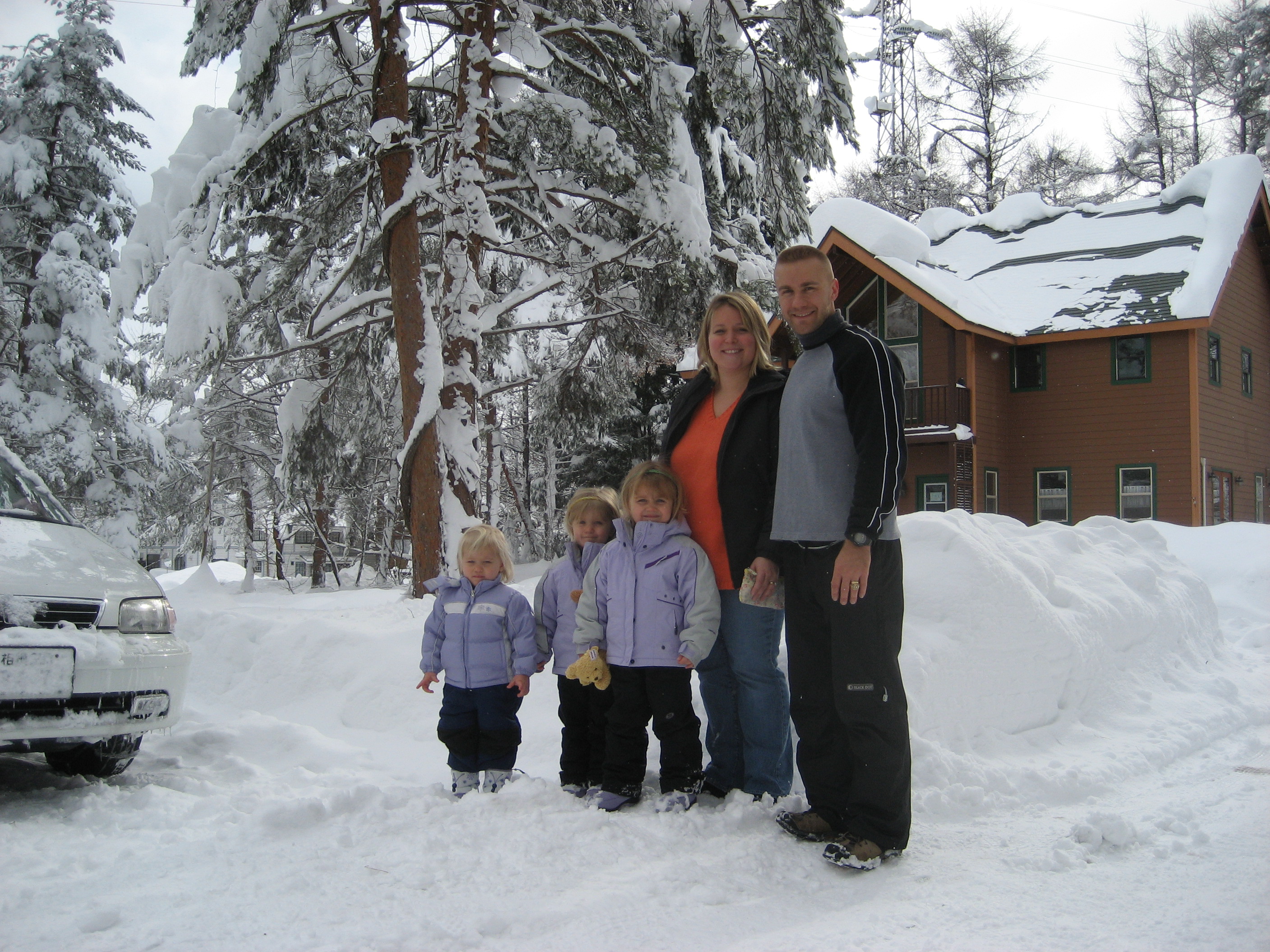
I bet it’s not working. Holidays are a very important part of life. The memories of family getaways when I was a child are the most treasured in my mind. We have many families come through the hotels each year from all parts of the globe and there are many different motivations for a ski trip to Hakuba. The obvious one is mum and dad love to ski so the kids are brought along for the ride and hopefully they will take to it. Some families want to try something new and discover what all the fuss is about with the snow. We also have families who have children competing in skiing and snowboarding events and come to train. The one common thing that I have noticed is that families who ski together have a great bond. The older teenagers are still happy to hang out with mum and dad and they all get up early to get out on the mountain together. I’m not sure whether you see that in many other environments. I have met so many great families along the way who I am proud to call friends after they have stayed with us with many of them coming back year after year. That’s a good sign that we are doing something right at the White Horse Hotels.
Avalanche risk in Hakuba
Two days after the above picture was taken there was a big avalanche in the exact same spot taking one person for the extreme ride of his life, “along with almost taking his life”.
On the day after this perfect bluebird powder day another storm blew in depositing 40 cm of snow however with it came the wind which loaded up some areas with up to 80 cm. It was certainly a high avi risk day and as I was heading out myself I passed some good friends and mentioned they should be very careful where they choose to go. They decided to go to their most familiar poaching ground which was on the South Face of Goryu. There are lots of ridge lines and well spaced trees so they thought this would keep them out of trouble. They realised not long after passing through the gates that this was not a good place to be. Because of the depth of snow they ended up a little too low on the traverse which meant they were on a convex wind loaded section and cutting it. Sure enough it slid with the ferocity of a level 3-4 slab with one of the guys perched precariously on the 80cm crown. This avi was almost certain death to anyone who was caught in it. With the fear of god in them they were able to make their way to the trees where they thought they would be safe. I had known that this was not true as another friend had been buried in the same area a few years back and was luckily dug out albeit blue with broken bones but alive. The same guy who was stuck on the crown decided he would head down first however within 3 turns everything went from bad to worse as the snow started to slide all around him. He tried to stay above the snow but the force just kept taking him down. 200 meters of the ride “for” his life left him totally buried but facing up. A quick punch out and he was able to get his hand above the snow and make a life line to oxygen and a visual for his friends. One of the other crew was able to get down to him reasonable quickly and started digging him out however the snow demons were sending down slides all around them constantly dusting them both for the whole frantic 10 minutes. Finally they were able to tip toe their way out without any further near death experiences.
My friend came into the bar that afternoon as white as a ghost. We sat down with a beer as he told me about his misadventures of the day. I was talking with someone who looked death in the eye and he knew that for no reason other than luck or maybe a God, he was able to breathe another day. Collectively the crew that day had done the run 100 times. They knew it very well in lots of different conditions and felt safe with their experience and knowledge. None of them will ever be able to look at a fresh powder covered slope the same way again.
If you decide to visit this area you can see the perfect lined gullys with well spaced trees making it one of the best places for slackcountry in Hakuba. It is also a death trap for the unsuspecting as those pristine gully runs have an evil side to them channelling down like a pinball machine potentially bouncing you off a hundred trees. I now have 2 very lucky friends who have escaped. Please take care in the mountains where ever you are, educate yourself, be prepared with an avi pack and beacon and talk with the locals to get an understanding of the area. We all love the snow and we all love to talk about it. Stay safe.
Tokyo fish market
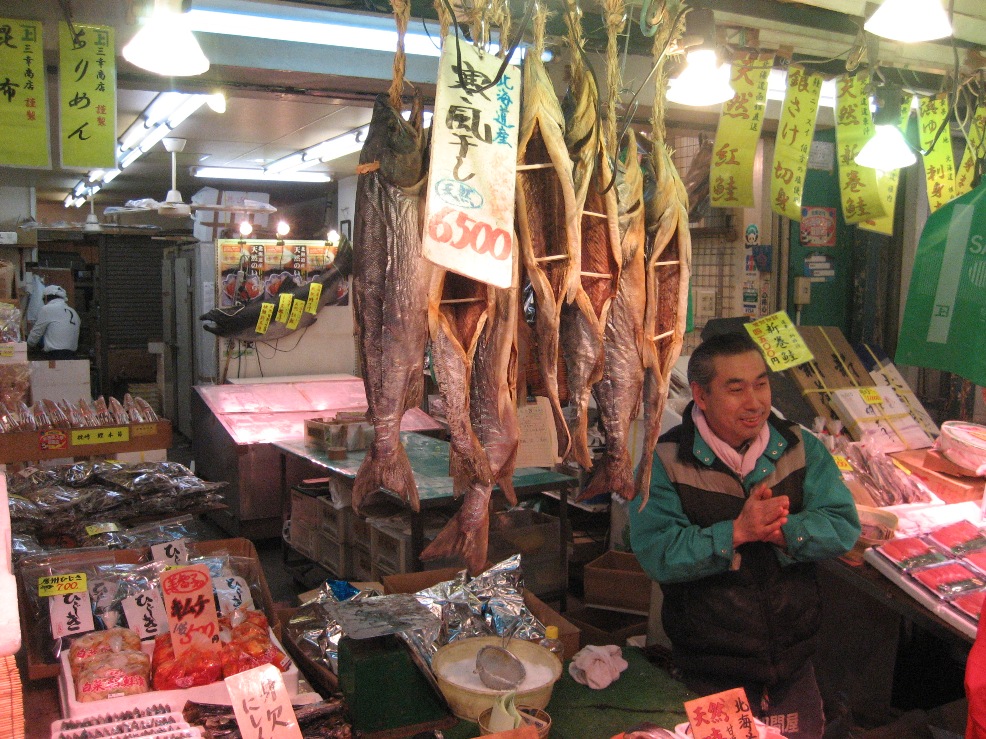
The Tokyo fish market in Tsukiji is a great attraction to visit while you are in Tokyo. Many people are surprised when they ask me for my tips of what to do in Tokyo and I mention the fish market. There is the option of going in there very early in the morning to watch the tuna auctions however wandering through at a more respectable time of the morning will also reward you with the vibe and buzz of the biggest fish market in the world. You will see ocean life that you never knew existed and you will be right in amongst the action. Please take care as there is a lot of hustle and bustle, as you could imagine, as the workers go about their job to get the seafood packed and out to the restaurants and smaller markets of Tokyo as quickly as possible. For the freshest and best sushi you will ever eat there are a few small restaurants alongside the market that open up for the morning trade.
Here is a PDF file to download with instructions of how to book in for the early morning auctions. tsukijiguide The basic rule though is first in first served.
Official Hakuba Tourism Video
Hakuba Tourism invited film maker Chris Hocking from Australia to put together a small film about Hakuba and what he has achieved depicts the area really well. You will get a good feel of the mountains and what they can offer along with some of the cultural aspects of Japan. Take note of the empty ski runs and lots of fresh tracks in the movie. This is how it is in Hakuba a lot of the time and with a little exploring and some local knowledge from the staff at the White Horse Hotels you can ski and ride fresh tracks for days after the last snowfall. Feel free to ask us any questions relating to anything you see on the video below.
Enchante restaurant.
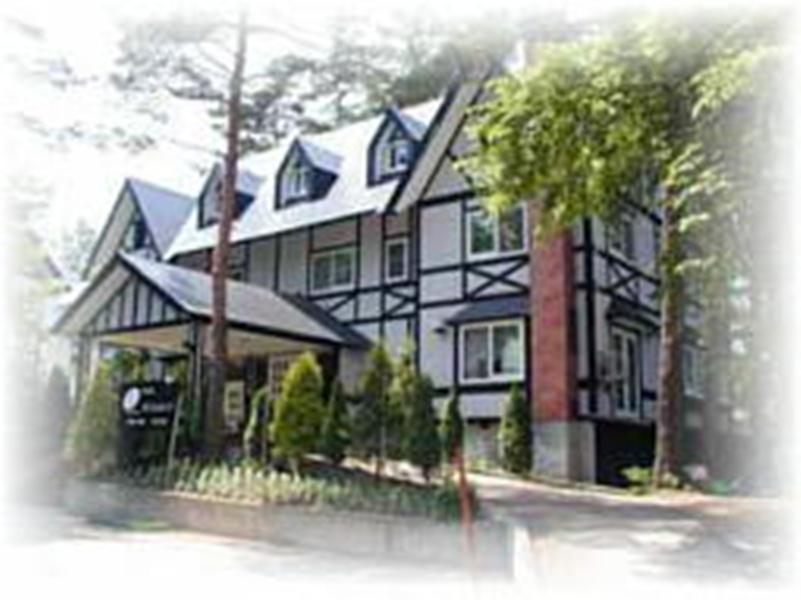
Another great restaurant in Hakuba is Enchante offering french cuisine which is complimented by an extensive french wine list. Bookings are essential but with a 3 course lunch menu for 1500yen it is well worth the planning. Entree today was taco carpaccio using freshly caught octopus from the nearby coast of Niigata. The main course of lamb ragout was cooked perfectly with the meat just melting in your mouth. Desert was strawberry mousse with oolong jelly and chamomile granita. Freshly baked bread was served also and the meal was finished with coffee. Dinner courses start at 3500 yen. Ask the staff at the White Horse to make a booking.
Enchante Pension and restaurant