It’s been snowing on the Australian ski fields over the last couple of weeks giving them a good early start to their season. New Zealand have been lagging a bit behind but it will come soon no doubt. Even though the lifts here in Hakuba have only been closed since the first week of May it is hard not to feel envious when you know others on the opposite side of the globe are getting out on the snow. The countdown is on – 5 months before we start our season again.
New Zealand skiers again
And here is another video from the boys. This time lots of powder and lots of helmet cam. As you will see there are days here when it is real deep and you can be digging yourself out for ages. The tip is the deeper the snow the steeper the pitch you should choose. On those days I tend to head out over to Hakuba47. They have some great steep runs there just off the quad. BYO snorkel.
Hakuba Video
Cam McDermid and Tom Brownlee stayed with us for a month this season at the White Horse and Monkey Rider. They are both amazing skiers with a lot of experience for their young ages. They were blown away by Hakuba with what they said was the deepest snow they had ever experienced. I was impressed by the lads with their level of professionalism and I see a great future in the ski industry for both of them. Thanks for sharing your experience of Hakuba guys.
Shouya Maruhachi – Old Japanese farmhouse

Shouya Maruhachi was a traditional farmhouse built in 1854 just near the Hakuba skifield of Iwatake. It was restuarant using the traditional firepit for many years and was renovated in 2008 creating a brilliant modern Japanese twist to it’s decor. The Kaiseki menu here is just fantastic and should be placed firmly on the to do list when visiting Hakuba. During the day you can learn to make soba noodles and dress in kimono.

For more photos and information check out their Japanese website here. The staff at the White Horse Hotels can make your reservation for dinner or soba noodle classes and Kimono wearing.
Snakes in Japan
There are a number of species of snakes in Japan. Most of them are non venomous. Hakuba has a lot of rice fields which breeds insects which brings frogs which inturn brings snakes. Coming from Australia I have a natural fear of them however the Japanese don’t seem to worry too much about them at all. Elaphe quadrivirgata, the Japanese Four-lined Ratsnake, or Japanese Striped Snake (Japanese: shimahebi = striped snake) is a non-venomous snake native to Japan. It is found in all areas of the country apart from the Ryukyu Islands. It typically grows to a length of 1-1.5 meters. The snake has yellow or light brown ground color, and gets its name from the four black lengthwise stripes sported by most of the species. It feeds on a variety of prey items, including frogs, lizards, insects, rodents, as well as birds and their eggs. In winter time they hibernate so there is no worrying about skiing over them.
Materock in Hakuba – September 10th
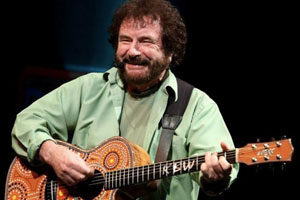
Materock is coming to Hakuba with Jimmy Barnes headlining the show. Tickets are available through their website here with all proceeds from the ticket sales going to assist the kids from Tohoku who were affected by the earthquake. It is a great cause and a chance to see some of the icons of Australian entertainment including the Angels hooking up with Dave Gleeson from the Screaming Jets and one of the funniest guys you will ever hear, Kevin Bloody Wilson. The base area of Hakuba47 is the perfect spot for the event and all of the locals are looking forward to hearing some good old “rock and roll” in the Alps. We hope everyone in Japan can make it.
Countryside Japan.
As the temperatures rise here in Hakuba the jungle starts to grow. Everyone who visits Hakuba during the summer is amazed how lush and green the area becomes. It is difficult to imagine when the place is totally covered by meters of snow in the winter that it develops into something closer to a tropical rainforest in the warmer months. The snowmelt continues throughout the year giving us an endless supply of cool pure mountain water and ever changing scenery.
Nagano Zoo
For something different check out the Nagano Zoo. Along with all the usual favourites there is a new enclosure that allows you to get up close and personal with the lesser panda also known as the red panda (Ailurus fulgens, or shining-cat), It is a small arboreal mammal native to the eastern Himalayas and south western China. Slightly larger than a domestic cat, it has reddish-brown fur, a long, shaggy tail, and a waddling gait due to its shorter front legs. It feeds mainly on bamboo, but is omnivorous and may also eat eggs, birds, insects, and small mammals. The area allows the animals to wander around the people and they are very cute and playful. It is a good day out especially for the kids.
Prices are 500 yen for adults and 100 yen for children. Unfortunately it is closed in January and February understandably due to the snow and cold temperatures..
Hakuba question time
I have been living in Hakuba for 5 winter seasons now and visited as a tourist for 4 seasons of holidays before then. Along with our staff who some have lived here all of their lives we can pretty much answer any of your questions about Hakuba. At the bottom of each blog addition there is a comment button for anybody to add their own contribution. Please feel free to send through any of your questions and I will add them to a FAQ page.
Fly fishing in Japan
Fly fishing in Japan is a popular past time and Hakuba has some of the best. Our lakes and rivers are pristine and the clean pure waters are constantly running from the snow melt all year round. Brown trout are common but the prize catch that everyone is after is the local shinshu salmon which is only found in this region.